Why custom shirt printing still matters for brands and events in 2025
I have been in the printing business long enough to watch trends come and go. Some people assume custom shirts are a thing of the past, replaced by digital ads or influencer campaigns. But the truth is, a well-made custom shirt still does something that a screen cannot. It walks around. It gets worn to the grocery store, the gym, the backyard barbecue. It becomes part of someone's everyday life, and that kind of organic visibility is hard to beat.
When I started working with local shops in Los Angeles, I noticed something. The clients who came back year after year were not just ordering for big corporate events. They were ordering for small teams, family reunions, neighborhood block parties, and band merch. They wanted something that looked good, felt comfortable, and lasted more than a few washes. That is where the real value of custom shirt printing shows up. customtsprinting custom shirt printing
Why quality matters more than you think
A lot of people focus on the design first. That makes sense. You want your logo or artwork to pop. But the shirt itself, the blank you choose and the method used to print it, determines whether anyone actually wears the thing. I have seen too many events where people grab a free shirt, wear it once, and then stuff it in a drawer. That is a waste of money and effort.
When you work with a printer that offers in-house production, like Custom Shirt Printing, you get more control over the final product. You can feel the fabric before committing to a bulk order. You can ask about shrinkage rates and stitch quality. A good printer will tell you straight up which blanks hold up better for screen printing versus DTF transfers. That kind of honesty saves you from ordering 200 shirts that nobody wants to wear.
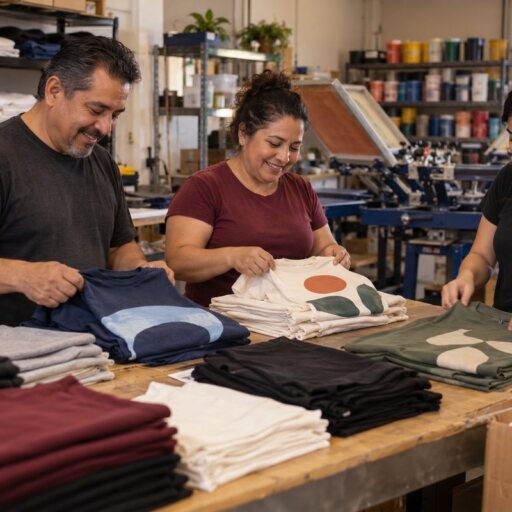
I once helped a small band order shirts for a tour. They chose a cheap blank to save money. After three washes, the collars were curling and the print started cracking. They came back to me for the next run, and we switched to a heavier cotton blend with a direct-to-film transfer. The shirts looked better, felt better, and the band sold out of them at every show. That experience taught me that quality is not an upsell. It is the whole point.
Screen printing versus DTF transfers
There is no single best method for every job. Screen printing gives you vibrant colors and durability for large runs. It works great when you need a hundred shirts with the same two or three colors. But it gets expensive if you need many colors or a small quantity. That is where DTF transfers come in handy. They allow full-color prints without the setup fees, and they hold up well on different fabric types.
For someone looking into customtsprinting custom shirt printing for the first time, the choice between methods can feel confusing. A good rule of thumb is this: if you need more than 50 shirts with simple artwork, go screen printing. If you need fewer shirts or complicated designs, DTF is usually the better call. A family-owned shop will walk you through those trade-offs without pushing you toward the most expensive option.
I have also seen embroidery become more popular for hats and polos. It adds a professional touch that works well for corporate uniforms or team apparel. But embroidery has limits. Fine details and small text do not stitch well. So if your design has tiny letters, stick with printing. Knowing these limitations before you order saves you a round of revisions.
Design help is not a gimmick
Many print shops offer free design help, but not all of them deliver. Some just resize your logo and call it done. A good designer asks questions. What is the shirt for? Who is wearing it? Do you need a front pocket print or a full back design? They catch issues like low-resolution images or colors that will not separate cleanly. That kind of help matters more when you are not a designer yourself.
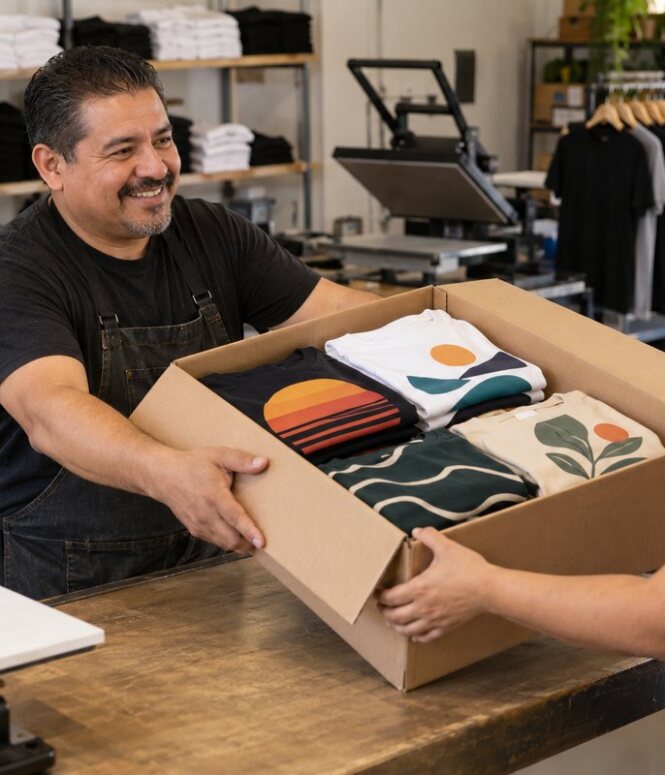
I have seen clients bring in artwork that looks great on a screen but falls apart when printed at full size. Thin lines disappear. Gradients turn muddy. A good printer catches those problems early and suggests changes. That saves you from getting a batch of shirts that look nothing like what you imagined. When you work with a shop that provides real design assistance, like Custom Shirt Printing, you get that safety net without extra cost.
Local production makes a difference
Shipping delays and overseas production have made a lot of people rethink how they order apparel. When you work with a local shop in Los Angeles, you can visit the facility. You can see the presses running. You can pick up your order the same day if something goes wrong. That kind of flexibility is hard to find with large online printers that ship everything from a central warehouse.
I remember a customer who needed shirts for a charity run. The order was placed three weeks out, but the design changed twice. If they had ordered from a national chain, the second revision would have pushed the delivery past the event date. Because they worked with a local printer, they got the final shirts printed and delivered in four days. That is the value of in-house production and a team that cares about your timeline.
For anyone searching for customtsprinting custom shirt printing online, the biggest mistake is assuming all printers are the same. Prices vary. Quality varies. Turnaround times vary. The best way to find a reliable partner is to ask about their process. Do they print in-house? Do they offer free design help? Can they handle rush orders? If the answer to those questions is yes, you are probably in good hands.
Things to consider before placing an order
- Order a sample before committing to a bulk run. A single shirt tells you more than a dozen photos on a website.
- Check the fabric composition. Cotton-poly blends shrink less than 100% cotton, but they also feel different against the skin.
- Ask about ink types. Water-based inks feel softer and breathe better, but they do not pop as much on dark fabrics as plastisol inks.
- Confirm the print placement. A design that looks centered on your computer screen might sit too high or too low on a real shirt.
- Know your audience. If the shirts are for a one-day event, a lower quality blank might be fine. If they are for ongoing brand wear, invest in better blanks.
These steps sound basic, but I have seen people skip them and regret it. A little extra time upfront saves you from a closet full of shirts nobody wants.

Final thoughts on custom shirt printing
Custom shirts are not going anywhere. They remain one of the most effective ways to build brand recognition, unify a team, or create a keepsake for an event. The key is choosing the right partner and the right method for your specific needs. Whether you are ordering 20 shirts for a family reunion or 500 for a corporate launch, the same principles apply. Focus on quality, ask for help when you need it, and work with a printer who treats your project like their own.
I have watched this industry evolve from hand-cut screens to digital transfers, and the core value stays the same. A good custom shirt makes people feel connected to something. That connection is worth getting right.
 Facebook
 Instagram